If you searched for Lovesense and landed here, nothing has gone wrong. You are looking for Lovense — one s in the middle, not two — and it is the single most common misspelling of the brand name.
It is a common enough mistake that it deserves a proper answer rather than a silent redirect. So this is the page that addresses what people actually want when they type it that way: what the brand is, what it makes, what each product costs, and which one is worth your money.
This is not a Lovense-owned page. I am an independent reviewer covering six manufacturers, and Lovense links on this site are affiliate links.
The short answer
It is Lovense. One s in the middle — L-O-V-E-N-S-E. Lovesense is not a different company, a sub-brand, or an older name for it. It is simply the most common typo for the brand, and if that is what you typed, you are in the right place.
Why Lovesense is such a common misspelling
The misspelling is not carelessness. It is the most reasonable guess your brain can make.
The name is a contraction: love + sense. Squeeze those together and one s disappears. But when you read or hear the word, your brain recognises both halves and reconstructs them in full. You write what the word means rather than what it looks like. That is ordinary, well-documented reading behaviour, and it is why Lovesense feels correct even to people who have owned one of these toys for years.
Three other forces push in the same direction.
Most people hear it before they read it. The brand comes up in a cam stream, a podcast, a conversation, or from a partner. Spoken aloud, “Lovense” and “Lovesense” are nearly indistinguishable — the difference is a single unstressed consonant. When you later type it into a search bar, you spell the sound.
Autocorrect actively fights you. “Lovense” is not in most dictionaries. “Sense” very much is. Phone keyboards routinely repair the brand name into something they recognise, which is how variants like lovelense and lovescence turn up in the wild — nobody types those on purpose.
The letters sit awkwardly. On a QWERTY layout, n and b are neighbours, and so are v and w. That produces lovebse and lowense, both of which turn up regularly.
The result is a long tail of near-misses. Beyond Lovesense itself, people reach this subject having typed lovence, lovsense, loveense, lovenese, lovesence, lovesne, loevnse, lovelense and even lovescence. Every one of them is the same brand, and the answer is the same in every case: it is spelled Lovense.
None of this matters for finding the product — search engines resolve most of these on their own. It matters when you are searching a marketplace, checking whether a seller is genuine, or typing the name into an app store. There, the exact spelling is what returns the right result.
So what is Lovense?
Lovense makes app-controlled sex toys. That description undersells what actually distinguishes them, so let me be precise.
Plenty of manufacturers now ship a Bluetooth toy with a companion app. What sets this range apart is that internet-range remote control is standard across every product, not a premium feature on selected models. A partner on another continent can control the toy in real time, through the same app, on the cheapest product in the range and the most expensive one alike.
That single design decision explains most of the brand's position. It is why the range dominates long-distance relationship recommendations, and why it is the default among cam performers — the toys integrate natively with Chaturbate, Stripchat and OnlyFans, so viewer tips can trigger the toy directly.
I track 31 Lovense products, alongside 38 from LELO, We-Vibe, Womanizer, Kiiroo and Arcwave. Every one is scored on the same published rubric, so an 8.4 means the same thing whichever badge is on the box.
And to answer the question directly, because people do ask it: there is no company called Lovesense. It is not a rival brand, a counterfeit line, or an older name the company used. If you see that spelling on a marketplace listing, you are almost certainly looking at a third-party seller who typed it wrong — not a different product.
What actually makes the range different
Buying into this range means buying into one app. That is worth understanding before you choose a product, because it changes what a second purchase is worth later.
- One app for everything. Lovense Remote runs the entire range. A toy bought years ago pairs with the same app as one bought today — which matters more than it sounds, because app abandonment is a real failure mode in this category.
- Long-distance is range-wide. Not a per-model feature. Every product on this page supports internet-range control.
- Cross-product sync. Nora and Max 2 drive each other in real time: each partner's movement controls the other's device. It is the closest thing to a genuine two-way connection in this category.
- Music mode and custom patterns, available range-wide, with pattern sharing between users.
- Native cam platform integrations — Chaturbate, Stripchat and OnlyFans among others.
- Rapid charge on the newer models: about five minutes on the Lush 4, or seven on the Lush Mini, for roughly an hour of use.
The practical consequence: if you expect to own more than one toy, or you are buying with a partner, the ecosystem is a genuine reason to stay inside one brand. If you want a single device and nothing more, it matters much less — and you should read my competitor reviews before deciding.
How it compares to the other five brands
I review six manufacturers on the same rubric, which puts me in an unusual position to answer the question people actually have: is this the brand to buy, or just the one they have heard of?
Against We-Vibe. This is the closest competitor and the comparison is genuinely competitive. We-Vibe supports long-distance play through its own We-Connect app, so the headline advantage disappears here. Where We-Vibe tends to win is couples-focused industrial design; where Lovense wins is range breadth and the single-app consistency across a decade of products.
Against LELO. LELO is the largest brand I cover after Lovense, with 24 products in my database, and it competes on materials, finish and warranty rather than on connectivity. Several LELO models are button-only, and where LELO does document app control it frequently does not state internet range. If remote play matters to you, read the specification carefully rather than assuming.
Against Kiiroo. Kiiroo supports long-distance through FeelConnect and adds interactive video sync, which is a real differentiator for the use case it targets. My coverage of Kiiroo is thin — one product — and I say so rather than implying broader authority than I have.
Against Womanizer. Womanizer built its reputation on air-pulse, and it remains the reference point in that specific category. The Lovense Tenera 2 competes there directly and scores well, but Womanizer is not an also-ran in air-pulse the way it might be in connected wearables.
Against Arcwave. A single product in my database, the Voy, and it is deliberately the opposite proposition: fully manual, no motor, no battery, no app. Worth knowing it exists, because a meaningful number of people buying connected toys do not actually want the connectivity.
The honest summary: if internet-range remote control is your reason for buying, this brand has the strongest and most consistent implementation of it, and the breadth to keep you inside one app. If it is not, the case thins considerably and you should read across brands before deciding.
Where the range genuinely falls short
No range is uniformly strong, and the honest parts of a brand guide are the ones that say where it is not.
Price positioning is aggressive. The dense band between $99 and $129 sits above where comparable specifications sell elsewhere. You are paying for the app ecosystem and the long-distance infrastructure, which is a real thing to pay for — but if you will never use remote control, you are buying capability you do not need.
Battery figures vary more than the marketing suggests. Runtime across the range spans roughly two hours to seven, and the shorter figures cluster in exactly the products people expect to use for extended sessions. I reconciled six of these figures against each product page earlier this year because my own comparison table and my review pages disagreed. Check the individual review rather than assuming a range-wide number.
Not everything is waterproof. The Max 2 is wipe-clean only. Several products publish no water rating at all, and where that is the case I mark it unpublished rather than guessing. Treat an absent rating as splash-only.
App dependency is a genuine long-term risk. The ecosystem is the main reason to buy into this range, and it is also a single point of failure. A toy whose principal feature is remote control is worth considerably less if the app is ever abandoned. That has not happened here — the opposite, in fact, since old products still pair — but it is the risk you are accepting, and no review that omits it is being straight with you.
Coverage depth is uneven on the male range. Five products, none of which I have used personally. My scores there rest entirely on published specifications and logged owner feedback. That is a weaker evidentiary basis than I would like, and it is stated on each of those reviews.
The complete range, category by category
All 31 products, grouped by what they actually do rather than by marketing category. Every price is the manufacturer's published US list price at the date on this article, every score is my own, and every product links to its full review.
💜 Wearable Vibrators
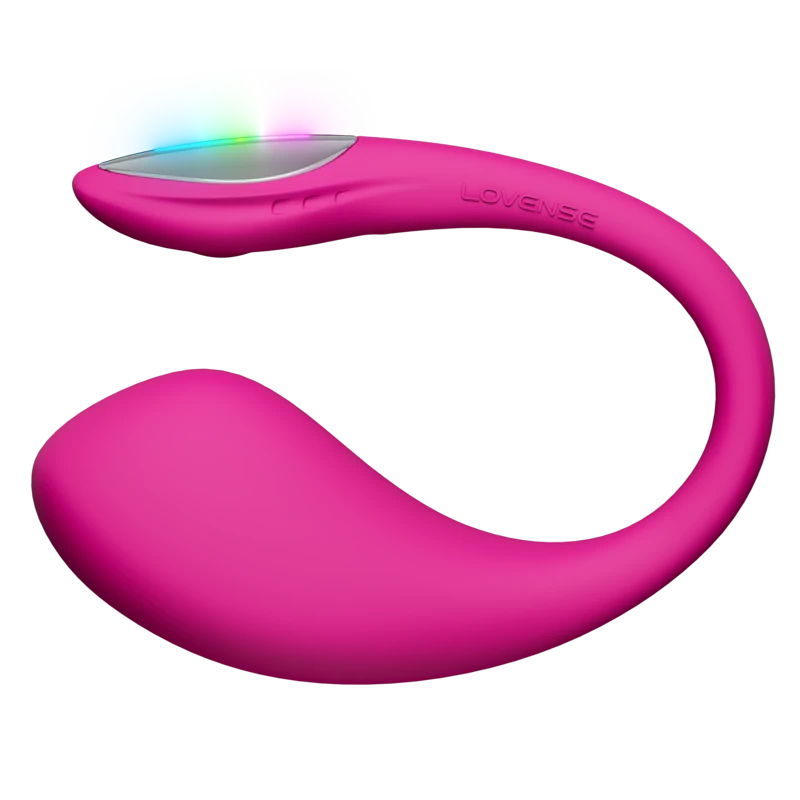
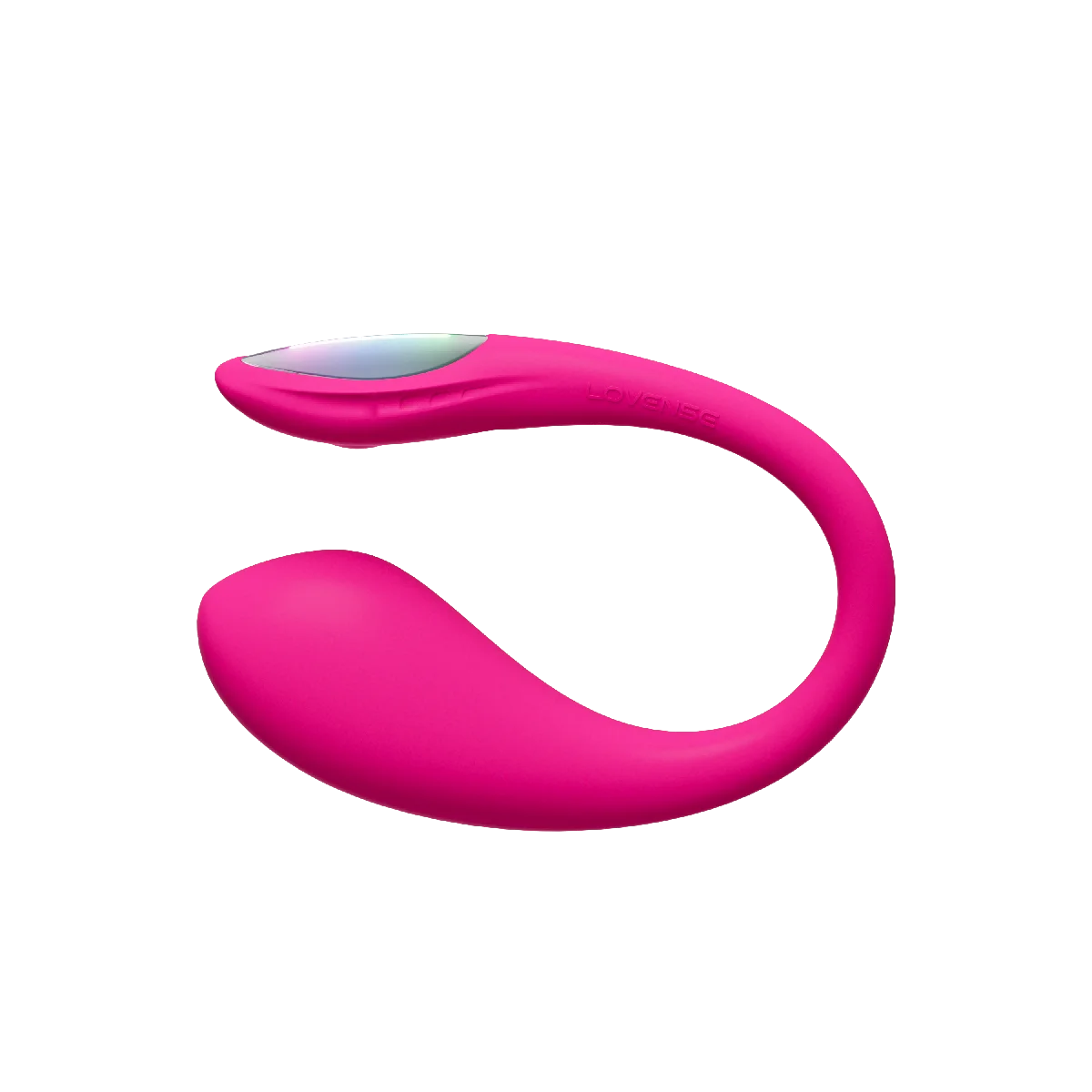
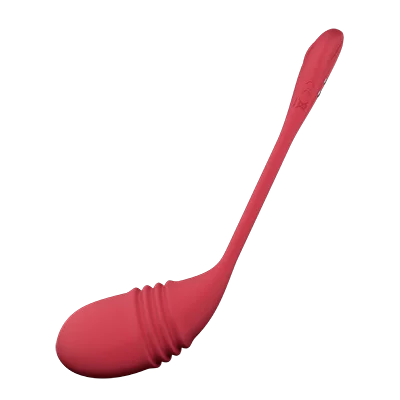
This is the category the brand is known for, and the Lush line is the reason. These are insertable, app-controlled vibrators designed to be worn — during a walk, a dinner, a stream — with a partner controlling them from anywhere.
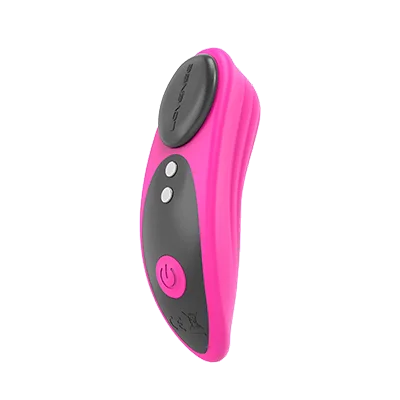
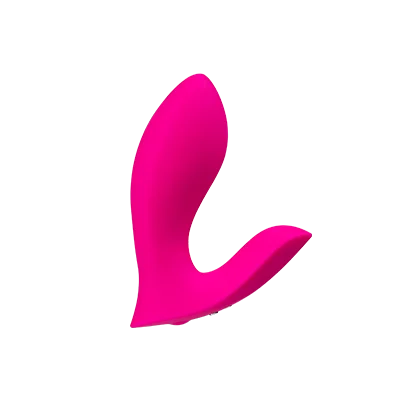
The Lush 4 is the highest-scoring G-spot vibrator of the 69 toys I track. If you are buying one thing from this brand and long-distance matters, it is the default answer. The Lush 3 is the same idea at a lower price with a shorter battery, and the Lush Mini exists for petite anatomy or for anyone who found the standard size too much. The Ferri is a magnetic clip-on for external wear, and the Vulse adds internal thrusting to a wearable format.

🐇 Rabbit Vibrators
Two products, two completely different mechanisms, and the choice between them is unusually clear-cut.
The Nora rotates its G-spot head in a sweeping circular motion, and it is one half of the Nora/Max 2 sync pair — the reason to choose it if couples play is the goal. The Velvo instead rolls a bead inside a fixed arm at up to 165 RPM, producing a focused point-pressure sensation that vibration alone does not replicate. Different sensations, not better and worse.


✨ Clitoral, Air-Pulse and Bullets
External stimulation, three quite different approaches, and the cheapest entry points into the range.
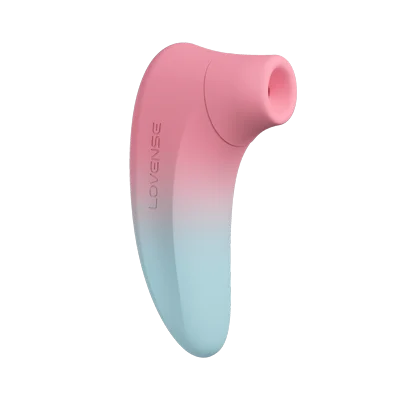
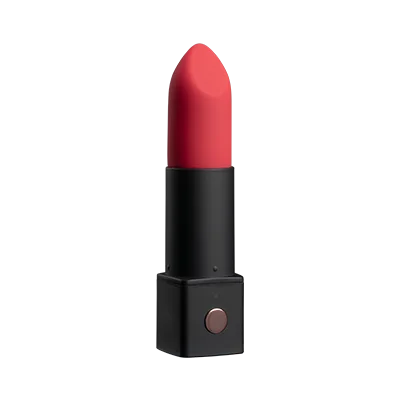
The Tenera 2 uses air-pulse suction rather than vibration — a genuinely different sensation that some people strongly prefer and others do not get on with at all. The Exomoon is a compact, travel-friendly clitoral vibrator, and the Ambi is the least expensive product in the range while keeping full app control and long-distance capability.

🌊 G-Spot, Thrusting and Mountable
Internal stimulation through motion rather than vibration alone. This group has grown fastest in recent years and contains the most mechanically interesting products the brand makes.
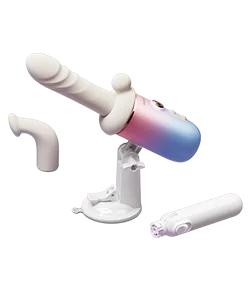
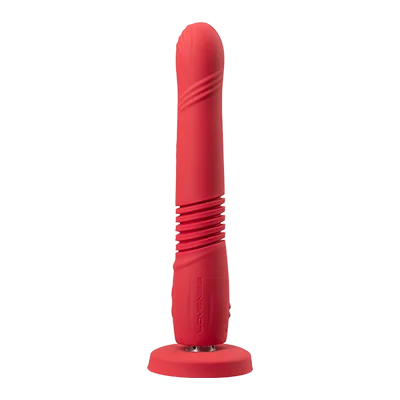
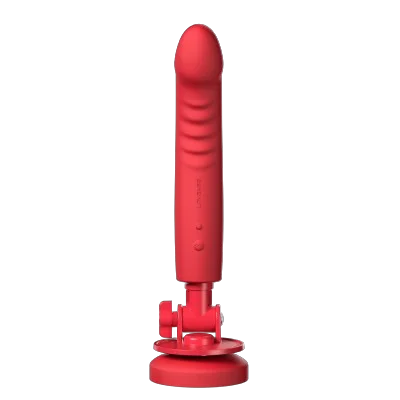
The Spinel combines thrusting, heating and vibration in one device. The Gravity thrusts and has a suction-cup base for hands-free use, and the Mission 2 is built to mount on a floor or a shower wall. The Osci 3 oscillates side to side rather than vibrating — worth knowing, because it feels nothing like the rest of the range.

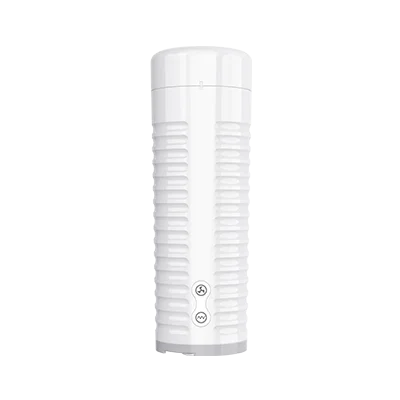
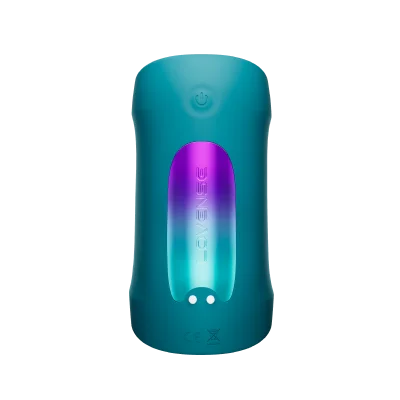
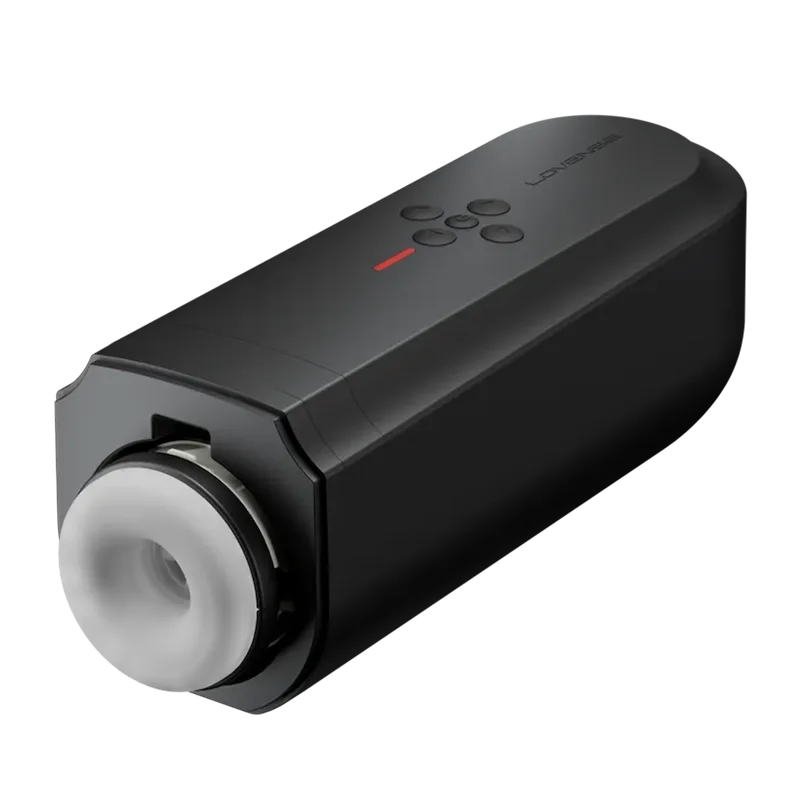
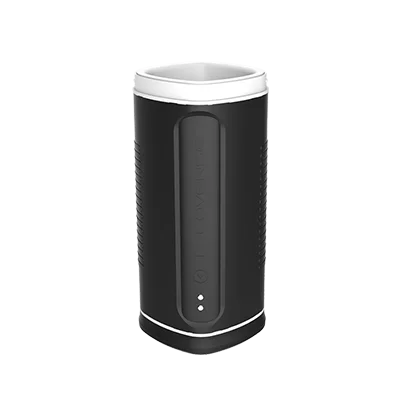
🔥 Male Masturbators
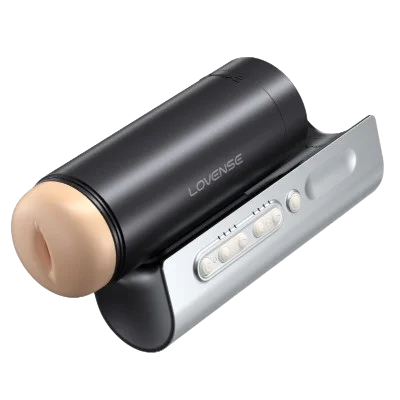
The male range is where the brand has invested most heavily in recent years, and it is also the part I know least about first-hand — I have never used any of these, and each review says so.
The Solace Pro automates thrusting and adds heating; the Solace is the same idea without heating, at a lower price. The Max 2 is the long-distance option and the other half of the Nora sync pair. The Calor's distinguishing feature is warmth, and the Gush 2 is a handheld design aimed at glans stimulation with a universal fit.
🌸 Anal and Prostate
Three products with genuinely different purposes, and the one category where fit matters more than features.
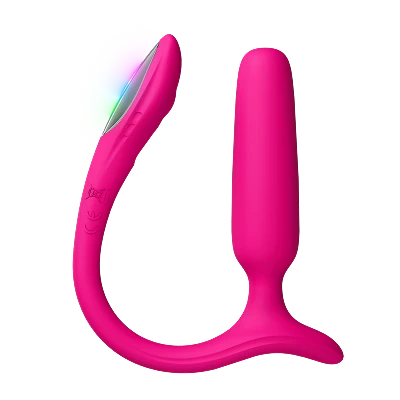
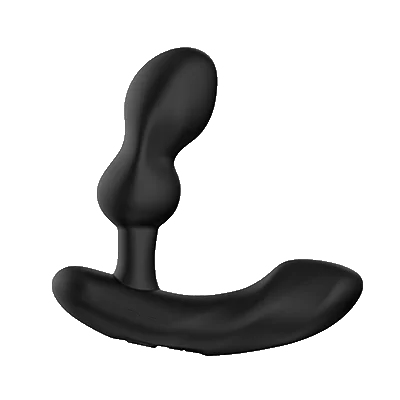
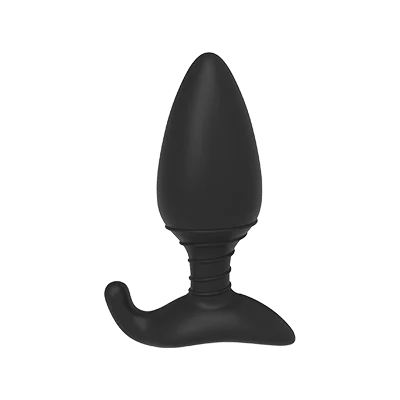
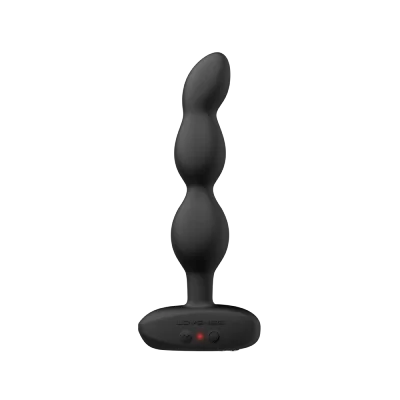
The Edge 2 is an adjustable prostate massager designed for hands-free wear — it scores 9.0 and it is the one I would point most people to. The Hush 2 is a wearable plug available in two sizes, which matters: buying the wrong size is the most common regret in this category. The Ridge adds 360-degree rotating beads.
💕 Couples, Wands and Specialty
The remainder of the range, and the most varied group by some distance.
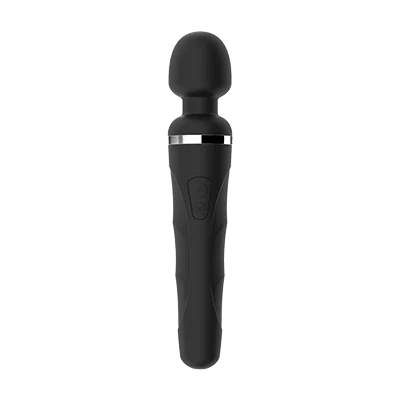
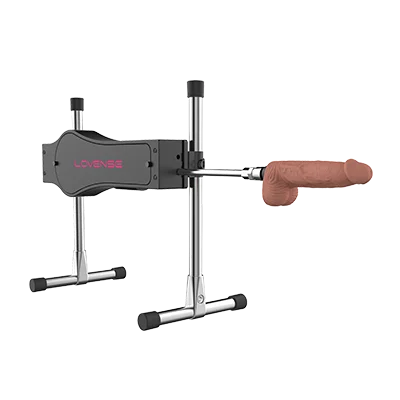
The Domi 2 is the wand — the most powerful thing the brand makes, and the one product on this page I own and use myself. The Hyphy is a dual-ended wand aimed at couples. The Dolce is designed to be worn during penetrative sex, the Diamo is a cock ring, the Lapis is a strapless strap-on, and the Gemini are app-controlled nipple clamps. The Sex Machine sits apart from everything else: mains-powered rather than battery, and priced accordingly.
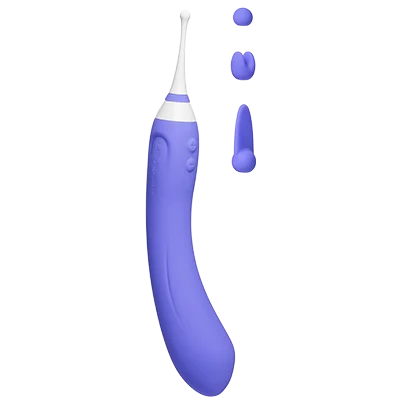
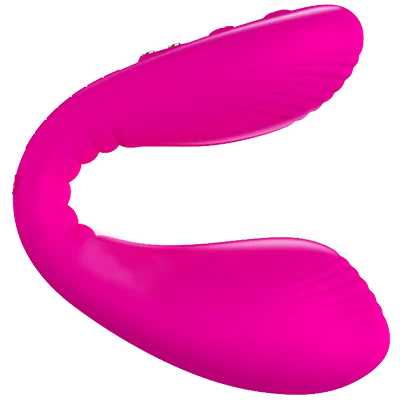

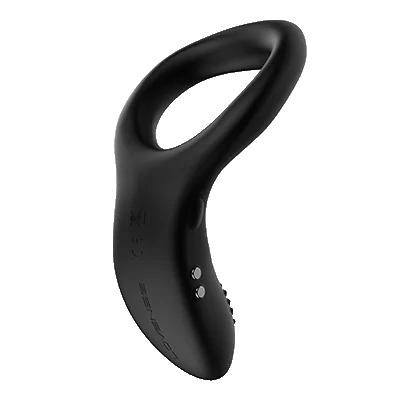
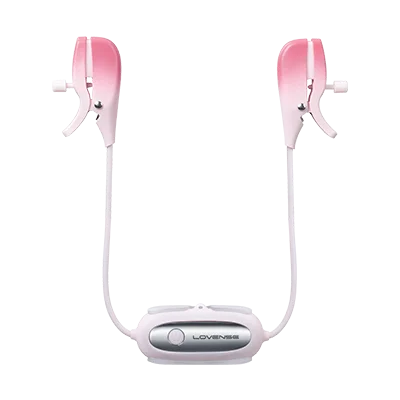
Eight products to know first
These are the eight Lovense products I point people to first. Their scores come from the same grid as all 69 toys I track, not one per brand, so they compare directly with my LELO, We-Vibe, Womanizer, Kiiroo and Arcwave reviews. The three highest scores in the range belong to the Diamo (9.2), the Edge 2 (9.1) and the Osci 3 (9.0).
The range by budget
Price is the filter most people actually use, so here is the range sorted the way you are probably thinking about it. Every figure is the manufacturer's published US list price at the date on this article.
Under $75. The Ambi at $59 and the Exomoon and Gemini at $69. The Ambi is the cheapest way into the ecosystem and it gives up nothing on app control or long-distance capability — it is a smaller motor, not a crippled feature set.
$99 to $119. The densest part of the range and where most of the well-known products sit: Lush 3, Domi 2, Edge 2, Nora, Hush 2, Max 2, Ferri, Calor, Gush 2, Flexer, Osci 3, Diamo, Dolce, Vulse, Lapis, Ridge, Velvo. If you are buying your first toy from this brand, you almost certainly land here.
$129 to $199. Lush 4, Lush Anal, Mission 2, Gravity, Tenera 2, Lush Mini at $129; Solace at $184; Solace Pro and Spinel at $199. This is where the mechanically complex products live — thrusting, heating, air-pulse.
Above $200. One product: the Sex Machine at $699. It is mains-powered rather than battery, it is aimed at content creators and dedicated users, and it is not a first purchase.
How to choose
If you want the short version, here is how I would actually route someone.
You are in a long-distance relationship. Lush 4. It is the highest-scoring G-spot vibrator of the 69 toys I track, and the category is what this brand does best. If the price is a stretch, the Lush 3 does the same job with a shorter battery for $10 less.
You want raw power. Domi 2. It is a wand, it is the most powerful thing the brand makes, and it is the one product on this page I own and use myself.
You want prostate stimulation. Edge 2 at 9.0. Adjustable, designed for hands-free wear, and the one I would point most people to before the Ridge or the Hush 2.
You are buying for a man. Solace Pro if budget is not the constraint, Max 2 if long-distance matters — it is the other half of the Nora sync pair. I have not used any of these personally and my reviews say so.
You are buying as a couple, to use together. Dolce for penetrative sex, Diamo if a cock ring suits you better, or the Nora and Max 2 pair if you are apart.
You want to spend as little as possible. Ambi at $59.
You genuinely do not know. My quiz takes about two minutes and does not require an email address.
Frequently asked questions
Is Lovesense a different brand from Lovense?
No. There is no company called Lovesense. It is a misspelling of Lovense, and the most common one by a wide margin. If you see it on a marketplace listing, you are looking at a seller who typed the brand name wrong, not at a different or counterfeit product line.
How do you actually spell it?
Lovense. L-O-V-E-N-S-E. One s in the middle. The name is a contraction of “love” and “sense”, which is exactly why so many people restore the missing letters and write “Lovesense”.
Why do so many people get it wrong?
Because the correct spelling drops a letter from a word your brain wants to complete. Most people also hear the brand name spoken before they see it written, and phone autocorrect frequently repairs “Lovense” into a word it recognises.
What is the most popular Lovense product?
The Lush 4 is the flagship wearable and the highest-scoring G-spot vibrator in my database, at 8.8 out of 10. The Lush line is the family the brand is best known for, and the one most people mean when they name a Lovense product.
Do all Lovense toys work long-distance?
Yes. Internet-range remote control through the Lovense Remote app is standard across the whole range rather than a feature reserved for premium models. That is the main thing separating this brand from most competitors, several of which offer app control without stating internet range.
Which Lovense toy should I buy first?
For long-distance couples, the Lush 4. For maximum power, the Domi 2. For prostate play, the Edge 2. On a budget, the Ambi at $59 keeps full app control and long-distance capability. If you are unsure, my quiz walks through it in a couple of minutes.
Are Lovense toys waterproof?
Most are, but not all, and the difference matters. The Max 2 in particular is wipe-clean only and should not be submerged. Each review page states what the manufacturer publishes for that specific product, and where no rating is published I say so rather than guessing.
Is this page affiliated with Lovense?
No. I am an independent reviewer covering six manufacturers. Lovense links on this page are affiliate links.
What I own and what I do not
A note I put on every page, because it is the thing most review sites are vague about.
I own and use the Domi 2. That review draws on first-hand use. Where any other review on this site draws on personal use, the page says so explicitly — everything else is research-based, compiled from the manufacturer's published specifications, verified buyer reviews and community discussion.
Nothing here is lab-tested or durability-tested. I do not measure decibels or run battery drain tests, and I will not present a number as though I did. Where a manufacturer does not publish a figure, I mark it unpublished rather than estimating it.
My scores use a documented rubric and are calibrated across all 69 products I track, not within a brand. That is why you will find Lovense products scoring below competitors in several categories on this site.
Sources and how I verified
Product specifications come from Lovense's own product pages. Prices are the manufacturer's published US list price at the date on this article and change frequently — check the product page before buying.
Scores are my own composite. They are not a manufacturer rating, not a retailer rating, and not an aggregate of user reviews. The rubric is published in full on my methodology page.
So: Lovense, one s — not Lovesense. If you came here having typed it the other way, you are in very good company, and now you have the whole range in one place.
If you want the deeper comparisons rather than the overview, my side-by-side spec chart covers all 69 products across six brands, and the individual reviews go considerably further than this page does.