In This Guide
Decide This Before You Separate
Most long-distance advice arrives too late — after the goodbye, when you are already anxious and looking for reassurance. The most useful work happens before the separation, and it is not romantic. It is logistical.
Two questions matter more than any other, and both are uncomfortable enough that couples routinely skip them:
- What are you waiting for? Not a date — a condition. "Until she finishes the degree." "Until the visa clears." Research on long-distance relationships consistently finds that couples with a shared plan to eventually live in the same place do dramatically better than couples with an open-ended arrangement. If the two of you would answer this differently, you have found the thing to fix first.
- What counts as a problem? Agree in advance what you will tell each other about — a bad week, a night out, a doubt. Couples who define this early avoid the slow accumulation of unsaid things that ends most LDRs.
💡 The conversation to have this week
If you are separating in the next month, have the "what are we waiting for" conversation before the goodbye, not after. It is far easier in person, and it sets the frame for everything that follows.
What the First Month Actually Feels Like
The first weeks are usually easier than people expect, and that catches them off guard later. There is adrenaline, a countdown to the first visit, and a slightly cinematic quality to the whole thing. Messages feel urgent. You talk more than you did when you lived nearby.
Then it settles. The research points to a vulnerable window around three months, when the novelty ends and the arrangement becomes routine — and the routine involves a lot of ordinary evenings alone. This transition is not a sign that you are falling out of love. It is the normal shape of the thing.
Knowing that in advance is genuinely protective. Couples who expect the drop handle it far better than couples who read it as a verdict.
The Logistics to Set Up Now
A calling rhythm, not a calling rule
Do not commit to talking every night. Commit to a rhythm you can both keep on a bad week — and give each other explicit permission to skip without it meaning anything. Predictability reduces anxiety far more than volume does.
The next visit, booked
Not planned. Booked. A confirmed date to look at changes how the weeks feel, and the research is consistent that predictability matters more than raw frequency. If money is the constraint, work out the realistic cadence early rather than pretending you will manage more.
Time zones: build a default
With a big time difference, someone is always compromising sleep. Decide the default windows now, so it stops being a nightly negotiation. Our difference runs eight to ten hours depending on the season; the only thing that made it survivable was fixed windows plus the freedom to skip.
A shared activity, not just conversation
Research on long-distance communication keeps finding that shared activity beats message volume. Watching something at the same time, playing something, cooking the same meal on a call — these build a sense of shared life that constant texting does not.
The Part Most Guides Skip
Most guides for new long-distance couples stop politely before the physical side, which is odd, since it is one of the things distance actually removes. Ignoring it does not make it neutral — it usually becomes a slow drift where both of you feel less like partners and more like very close friends.
You do not need to solve this in month one. But it helps to agree early that it is a topic you will talk about, rather than something that quietly becomes unmentionable. That single agreement is worth more than any device.
When you do want the practical side, this is what the rest of this site is for: the long-distance setup guide, the best options for couples, and the reviews for the two most common LDR starting points — the wearable Lush 4 and the Nora + Max 2 pair that sync to each other.
The Mistakes That End New LDRs
- Putting your life on pause. Waiting is not a life. Building where you are is not disloyalty — couples who stop investing in their own city accumulate a resentment that outlasts the distance.
- Monitoring instead of trusting. Tracking activity, reading into response times. It converts anxiety into surveillance and never once produced reassurance.
- Saving conflict for visits. If difficult conversations get postponed to the two weeks you are physically together, you poison the only time you have.
- Letting one person carry the logistics. Booking every flight, initiating every call. Long-distance survives on symmetry; asymmetry compounds quietly.
- Treating the 3-month dip as a verdict. It is a phase, and it is documented.
If you avoid these five and you both know what you are waiting for, you are already doing better than most new long-distance couples. The longer question of how long an LDR can last comes down to the same thing: whether you are both still walking toward the same place.
The Money Conversation to Have Now
Cost is the constraint that quietly determines how often you see each other, and almost no couple discusses it before separating. Do it now, while it is still hypothetical rather than resentful.
Work out what you can genuinely afford per year — flights, time off work, accommodation, the smaller recurring costs — then divide it into a realistic number of visits. A couple who plans three visits and takes three is in a far better psychological position than one who plans six, manages two, and experiences four as failures.
Decide the split explicitly
If one of you earns more, or one country is cheaper to fly from, the burden lands unevenly by default. Couples who never name this develop a silent ledger — one feeling they pay more, the other feeling they always travel. Naming it early removes an entire category of future resentment.
Book the next visit before the current separation
The cheapest intervention in long-distance. A confirmed date converts an open-ended absence into a defined wait, and the research on predictability suggests that matters more than an extra trip you never quite schedule.
The Tools That Actually Help (and the Ones That Don't)
New long-distance couples tend to over-install apps in the first month and abandon most of them by the third. A few things genuinely earn their place.
A shared calendar
Not for romance — for logistics. Seeing each other's work deadlines, exam weeks and social plans prevents the most common early conflict: feeling deprioritised when the other person is simply busy.
Watch-together tools
Synchronised streaming extensions matter more than they sound. Research on long-distance communication consistently finds shared activity beats message volume for producing closeness. Watching something at the same time creates the shared reference points that same-city couples accumulate without trying.
Voice notes over constant texting
Across bad time zones, live contact is expensive and asynchronous contact is underrated. A steady stream of voice notes and photos through the day often produces more intimacy than forcing a call at 2am.
What does not help
Location sharing used as reassurance, activity-status checking, and apps that gamify contact streaks. All of them convert anxiety into monitoring, and monitoring escalates rather than resolves.
Your First Visit: How Not to Waste It
The first reunion carries an unreasonable amount of expectation, and couples routinely damage it by trying to make every hour significant.
Schedule boring time deliberately. An evening in, a supermarket run, a morning with no plan. That is what living together actually feels like, and it tells you far more about your compatibility than a packed itinerary of experiences.
Do not save conflict for the visit. If difficult conversations get postponed to the fortnight you are physically together, you poison the only good time you have. Have them on calls, in the ordinary weeks.
💡 Plan for the crash
The 48 hours after a visit ends are usually worse than any ordinary week. Put structure in them — work, friends, anything scheduled. It does not remove the feeling, but it stops the empty days becoming a referendum on the relationship.
When and How to Bring Up Intimacy
You do not need to solve the physical side in month one. But agreeing early that it is a topic you will discuss — rather than something that quietly becomes unmentionable by month four — is worth more than any product.
When you do want the practical version, two setups come up repeatedly for genuinely distant couples. The short version is here; the full reviews cover battery life, latency, noise and the things that matter day to day.

Lovense Lush 4
- Wearable — works while you go about your day
- Controlled by your partner from anywhere with internet
- Long battery life for unpredictable time zones
- The most common starting point for new LDR couples

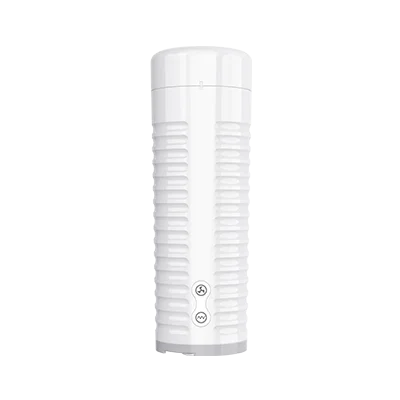
Nora + Max 2
- The two devices sync to each other, both directions
- One partner's movement drives the other's device
- Built for couples rather than solo use
- The closest thing to a shared physical experience
If you would rather compare the whole range, the long-distance setup guide, best options for couples and remote-control toys tested for distance cover it — or the budget-friendly Lush 3 and discreet Ferri if price or discretion is the priority.
The Timeline: What Happens Month by Month
New long-distance couples benefit enormously from knowing the shape of the first year, because most early panic comes from mistaking a normal stage for a terminal problem.
Months 1–2: higher contact than you expect
Most couples talk more than they did living nearby. There is adrenaline and a countdown to the first visit. Enjoy it, but do not treat it as the baseline — it is the least representative period of the whole relationship.
Month 3: the flattening
The first documented vulnerability window. Novelty ends, calls start feeling like an item on a list, and a lot of ordinary evenings happen alone. Couples routinely misread this as falling out of love. It is the relationship becoming normal.
Months 4–7: the operational phase
Habits form. This is where the rhythm you set in month one either holds or collapses. Couples who committed to unsustainable daily contact usually break the pattern here and feel guilty about it — which is why choosing a realistic rhythm early matters so much.
Month 8: the plan test
The second documented window. "We'll figure it out" stops working. If you never agreed what you are waiting for, this is where momentum quietly decays.
Frequently Asked Questions
🔍 A note on sourcing
The patterns described here come from published long-distance relationship research as reported across the field, plus two years of my own long-distance relationship (Stockholm to Australia) and a lot of time in LDR communities. Research findings are ranges, not precise measurements, and studies disagree — I've presented them that way rather than picking the most quotable number. Where I'm describing research versus lived experience, I say which.
🔗 Where to go next
Related reading: how long long-distance actually lasts, starting out, the first 30 days. For the practical side: the long-distance setup guide, best options for couples, and the Lush 4, Lush 3 and Ferri reviews.

I started Pleasure Vibe Reviews after going long-distance with my partner — Sweden to Australia, 15,000km apart. I write the honest guides and reviews I couldn't find myself: manufacturer specs, verified buyer data, and my own experience — and I'm always clear about which is which. More about me → · How I Review →
Looking for full side-by-side spec comparisons?